

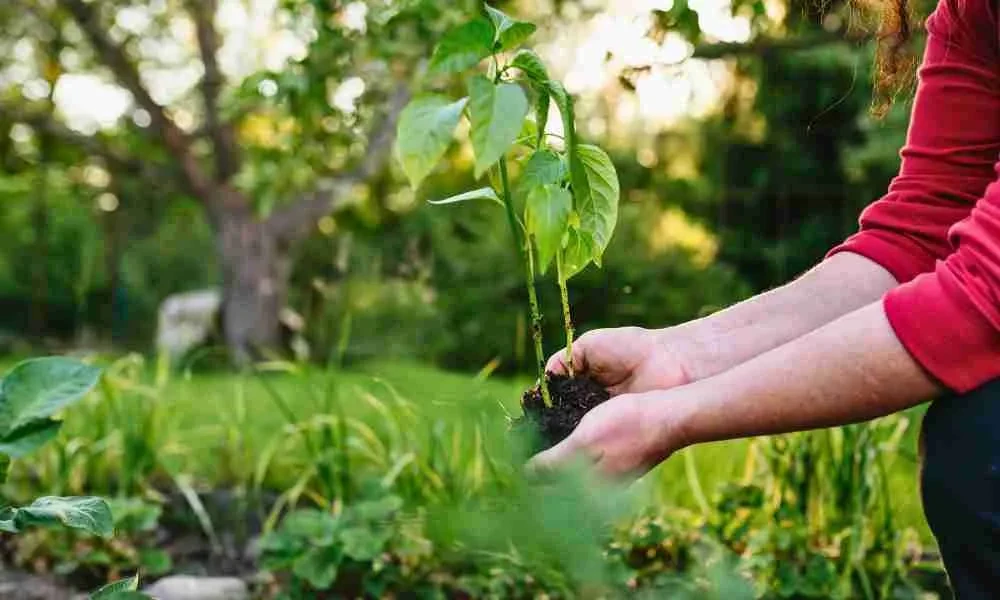
A well-maintained outdoor area is more than just a pretty flower and plant garden. Having proper growing conditions, maintenance, and planning are the keys to a successful garden. From beginners who have a small garden space in the backyard to those with a balcony or extensive property, there are a few steps they can take to help their plants prosper and keep the ecosystem in check.
Before putting these gardening practices into action, it helps to consider how different elements of an outdoor space work together. A thoughtful Overview Guide can help gardeners understand the basics of plant selection, soil preparation, watering, maintenance, and natural pest management before making changes. Taking time to assess the garden’s conditions and plan accordingly can make routine care more effective while creating a healthier and more sustainable environment for plants and beneficial wildlife.
Select the appropriate plant species for your location.
It is crucial to choose plants that are appropriate to local climate and growing conditions. Think about light requirements, soil type, temperature and space before buying plants. Native and well-adapted species may be easier to maintain as they are more able to adapt to local conditions. The combination of various plants that differ in height, texture, and bloom time can also result in a beautiful landscape.
Improve Soil Quality
Good soil conditions ensure that plants receive the nutrients, water, and anchorage that they need. Check the condition of the soil before planting and if necessary, add compost or well-rotted organic matter to improve the soil structure. A soil test can determine nutrient deficiencies and pH problems. Don’t over-fertilise; too much can be damaging to plants and impact water sources in the surrounding area.
Water Plants Efficiently
Good watering is critical to good growth. Consider giving deep watering when it is required and light watering often to promote strong root systems. Watering during the morning will minimise evaporation and allow foliage to dry out. Water can also be delivered to the soil with drip irrigation or soaker hoses, without wasting water.
Apply Mulch
Mulching is an easy do-it-yourself job that can help improve garden conditions. Organic materials like leaves, straw and wood chips hold water, control soil temperature and inhibit weeds. Mulch can also provide a good source of organic matter in the long run when applied to soil that is being decomposed. Leave a little space between mulch and the stems or trunks of plants and trees to avoid excess moisture accumulation.
Encourage Beneficial Wildlife
Books tell us that in a healthy garden birds, butterflies, bees and beneficial insects abound. Including diversity of flowering plants will provide food and shelter for pollinators across seasons. The use of pesticides must be avoided, unless necessary. Shallow water sources or natural hiding places can be added to enhance biodiversity.
Control Weeds and Pests Naturally:
Regular plant inspection can detect weeds, pests, and diseases in early stages before they make a significant impact on the crops. Keep weeds suppressed in early stages, otherwise physically control or weed by hand as appropriate. Minor damage to plants is usually less of a problem on healthy plants. Chemical treatments need to be used wisely and only as needed.
Maintain Plants Regularly
Regular upkeep makes it easy to keep outdoor areas beautiful and productive. Prune and remove dead/damaged leaves, clean gardening tools and keep an eye on soil moisture when appropriate. The regular monitoring also enables gardeners to learn about the plants’ needs as the season progresses.
Conclusion
Pensile solutions can provide healthier outdoor spaces with thoughtful choices and sustained maintenance. Choosing the right plants, preparing the garden, watering wisely, incorporating mulch, nurturing wildlife, managing pests responsibly, and keeping plants in check can create attractive, healthy and sustainable gardens that will last all season long.
