

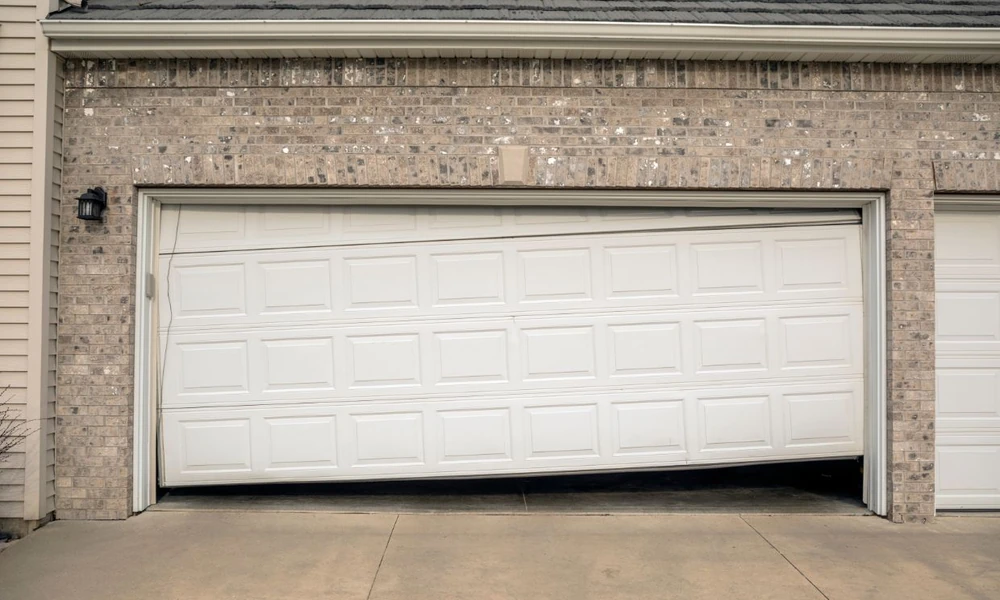
A garage door that sticks, groans, or refuses to budge can throw off an entire day. Before you call in the cavalry, knowing how to pinpoint the real issue can save precious time and cut down on repair bills. From clunky panels to mysterious opener malfunctions, let’s get straight to the most common culprits behind residential garage door headaches, and what you can do about them.
What Are the Most Common Residential Garage Door Problems?
Garage doors contain more moving parts than most people realize. When a single component goes awry, the whole system can grind to a halt. Here’s a closer look at where things most often go wrong.
How to Identify a Defective Door Panel
Cracked or dented panels are more than cosmetic problems. Damaged panels can throw off your door’s alignment, strain the opener, and even harm insulation. Watch for warping, visible cracks, or panels that don’t sit flush. If the door feels unusually heavy or leaks cold air, the panel may be compromised.
Signs of a Malfunctioning Electric Garage Door Opener
Is your door opener straining or clicking but refusing to lift the door? If the motor runs but nothing happens, or if the remote works erratically, the opener’s drive belt, gear, or safety sensors might be at fault. Sudden stops or reversals can also mean the opener senses resistance or misaligned sensors.
Recognizing Issues with Torsion and Extension Springs
Springs are the muscle behind your door’s smooth movement. Broken or stretched springs make the door feel unbalanced or impossible to lift by hand. Listen for loud bangs or groans; they often signal a snapped spring.
When Is Garage Door Hardware the Culprit?
Loose hinges, rusted rollers, or worn cables can make your door squeak, wobble, or even jam. If there’s grinding, scraping, or visible wear, hardware may be to blame.
How a Faulty Weather Seal Affects Your Door
Don’t ignore that brittle strip at the base of the door. A damaged weather seal invites drafts, pests, and moisture, while undermining insulation and potentially warping the lower panel.
Why Is My Garage Door Not Opening or Closing Properly?
A stuck garage door usually points to a few main suspects.
Troubleshooting Electrical and Mechanical Opener Failures
If the opener hums but the door doesn’t move, disconnect it and try to lift the door manually. If the door glides up, the opener is likely at fault. Erratic operation may be corrected by aligning sensors, replacing remote batteries, or resetting the opener’s logic board.
The Impact of Broken or Worn Springs on Door Movement
Springs carry most of the door’s weight. With weak or broken springs, the opener struggles until it quits. If the door slams shut or refuses to lift, inspect the springs for gaps, rust, or obvious breaks.
How Misaligned or Damaged Tracks Prevent Operation
Even minor dents or bends in the tracks spell trouble. Watch for gaps between rollers and track, or uneven door movement. Slightly loosened bolts and gently realign the track, but leave major repairs to professionals to avoid injury.
How Can I Diagnose and Fix a Damaged Garage Door Panel?
Assessing the Extent of Door Panel Damage
Check for cracks, warping, or insulation leaks. Tap the panel; a hollow sound might indicate lost insulation or severe damage.
Temporary Fixes vs. Permanent Repairs
Small dents can sometimes be popped out, and minor cracks sealed with garage door filler. For major structural or insulation damage, panel replacement is often the only lasting solution.
When to Call a Professional for Panel Replacement
If the damage affects the door’s structure or insulation, or if you notice the door sagging, call in pros. Attempting complex repairs on your own can result in poor insulation or alignment trouble.
What Are the Warning Signs of a Failing Garage Door Opener?
Common Mechanical and Electrical Issues to Watch For
Unusual noises, slow operation, or unresponsive remotes often mean trouble. Flickering opener lights or random reversals may signal sensor errors or wiring faults.
How to Test the Safety Sensors and Remote Controls
Clean the sensor lenses and check alignment, both sensors’ lights should glow steadily. Replace remote batteries and test the wall button to isolate the problem.
Basic Maintenance Tips to Avoid Opener Breakdowns
Keep chains and belts lubricated and tighten any loose mounting hardware. Clear debris from around sensors, and reset the opener if it gets stuck.
How Do I Handle Broken or Worn Garage Door Springs?
Understanding Torsion vs. Extension Springs
Torsion springs sit above the door, offering a smoother, quieter operation. Extension springs stretch along the sides and are more visible on older doors. Both are under extreme tension and can be hazardous.
Safety Precautions Before Attempting Repairs
Never try to adjust or replace garage door springs yourself unless you are experienced and have the correct tools. Springs can cause serious injury.
When to Replace Springs and How to Choose the Right Ones
If the door feels unbalanced or you spot worn coils, call a certified technician. Always opt for springs matched to your door’s weight and height.
How to Maintain and Replace Garage Door Weather Seals (Coupe-Froid)
Why Weather Seals Are Crucial for Insulation and Door Protection
A fresh weather seal saves energy by blocking drafts and keeps out pests and moisture. It also protects the bottom panel from rot and rust.
Identifying When Seals Need Replacement
If you see cracks, gaps, or sunlight under the closed door, it’s time for a new seal.
Step-by-Step Guide to Replacing Weather Seals
Remove the old seal and clean the bottom edge. Slot the new seal into place, trimming excess material. Lubricate the groove for an easier fit.
What Garage Door Hardware Requires Regular Maintenance or Replacement?
Key Components: Hinges, Rollers, Cables, and Tracks
Inspect these parts regularly for rust, looseness, or visible wear.
Signs of Wear and When to Replace Hardware
Noisy operation, jerky motion, or frayed cables are signs to act. Replace damaged parts promptly to avoid more expensive repairs down the line.
Lubrication and Tightening Tips for Smooth Operation
Use a silicone-based lubricant on rollers and hinges and tighten bolts as needed to keep everything moving smoothly.
When Should I Call a Professional Garage Door Repair Service?
Certain jobs demand an expert touch. If you encounter persistent opener failure, broken springs, severe panel damage, or a door stuck off its tracks, it’s safer and faster to reach out for help. In emergencies or for complex issues, technicians with services like Door Doctor service résidentiel can quickly diagnose and resolve the toughest problems, any time of day. Investing in professional repairs not only restores your garage door’s function but also ensures safety for your home and family.
