

Key Takeaways
- Removing shoes reduces visible dirt but does not eliminate fine dust, bacteria, or residue buildup
- Floors still accumulate contaminants from air circulation, furniture movement, and indoor activities
- Professional cleaning addresses what daily habits cannot reach
- Floor deep cleaning targets embedded dirt in grout lines, seams, and porous materials
- A shoes-off policy helps, but it is not a complete floor maintenance strategy
Introduction
The shoes-off habit is often treated as a reliable shortcut to cleaner interiors. It reduces the amount of visible dirt entering a space, and for many households, that feels sufficient. However, from a maintenance standpoint, floor cleanliness is not determined by what is tracked in alone. Indoor environments continuously generate dust, residue, and fine particles that settle and build up over time, regardless of footwear rules. This situation is why professional cleaning in Singapore continues to be necessary even in strictly controlled spaces. While removing shoes helps minimise surface debris, it does not replace the need for proper floor deep cleaning, which targets the embedded dirt and residues that routine habits and standard cleaning methods leave behind.
What Shoes-Off Actually Prevents
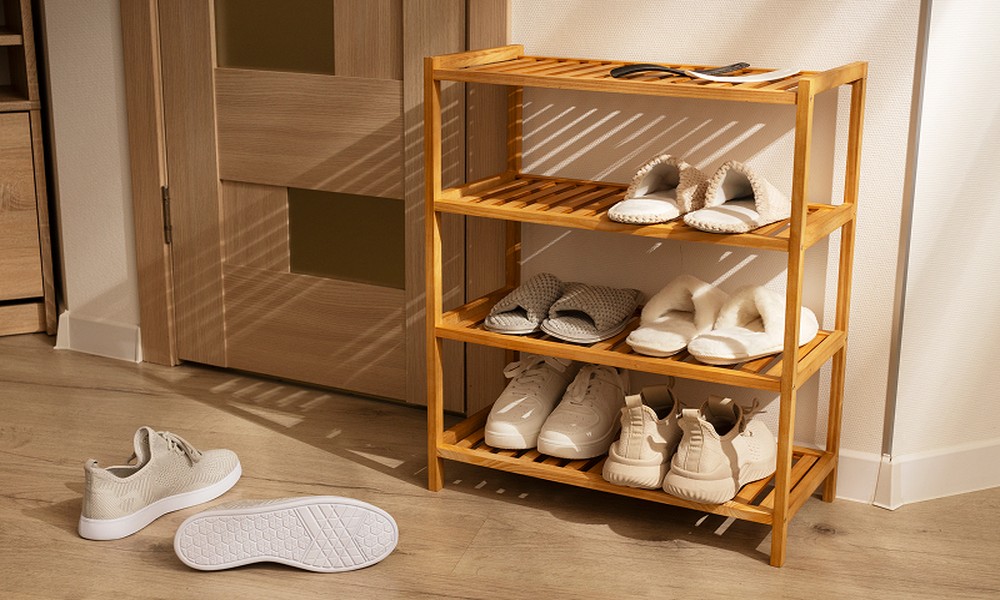
Removing footwear at the entrance primarily reduces coarse dirt such as sand, mud, and debris. These are the particles that scratch surfaces and are immediately visible on tiles, vinyl, or hardwood. This practice, in high-traffic homes or offices, slows down surface wear and reduces the frequency of basic cleaning tasks like sweeping and mopping. It also limits outdoor contaminants such as oil residues from pavements and general street grime.
However, this benefit is limited to what is physically carried in on shoes. It does not address fine particles, airborne dust, or internal sources of dirt. While floors may appear cleaner at a glance, the absence of visible debris does not equate to a hygienic surface. This belief is where the misconception begins-clean-looking floors are often assumed to be clean in a deeper sense.
What Still Gets In (Even Without Shoes)
Even in a shoes-off environment, floors continue to accumulate dust, allergens, and microscopic debris. Air circulation plays a major role; particles enter through open windows, ventilation systems, and daily movement within the space. Cooking, fabric shedding, and human activity all contribute to indoor contamination. Over time, these particles settle onto flooring surfaces and work their way into grout lines, joints, and textured finishes.
Additionally, moisture from humidity or spills can bind dirt to the floor, creating a thin film that regular mopping struggles to remove. This situation is why floors may feel slightly sticky or look dull despite consistent cleaning. From a professional cleaning perspective, this buildup is expected and requires targeted methods to remove effectively.
Why Floors Still Require Deep Cleaning
Routine cleaning methods are designed for surface maintenance, not extraction. Sweeping and mopping remove loose debris but do not penetrate porous materials or dissolve embedded residues. Floor deep cleaning is necessary to address this limitation. It involves specialised equipment and cleaning agents that break down accumulated grime, lift it from the surface, and extract it completely.
For example, grout lines between tiles act as traps for dirt and bacteria. These areas darken over time and become difficult to restore without deep cleaning. Similarly, vinyl and laminated surfaces can develop a film layer from repeated mopping with detergent, which dulls the finish. Professional processes remove these layers without damaging the material, restoring both appearance and hygiene.
The Role of Professional Cleaning
Professional cleaning is structured around addressing what standard routines cannot achieve. Cleaning teams assess floor type, condition, and level of buildup before selecting appropriate methods. This method may include machine scrubbing, steam cleaning, or chemical treatment, depending on the material.
More importantly, professionals focus on consistency and coverage. Areas often missed during daily cleaning-corners, edges, and under furniture-are systematically treated. This approach ensures that contaminants are not left behind to spread or resettle. Over time, this strategy not only improves cleanliness but also extends the lifespan of the flooring by preventing long-term damage caused by embedded dirt.
A Balanced Floor Maintenance Approach
A shoes-off policy should be viewed as one component of a broader cleaning strategy. It reduces initial contamination but does not eliminate the need for regular maintenance and periodic floor deep cleaning. Effective floor care combines daily habits, routine cleaning, and scheduled professional intervention.
From an operational standpoint, relying on one method alone creates gaps that lead to gradual buildup and higher restoration costs later. A balanced approach ensures that floors remain both visually clean and hygienically maintained, without relying on assumptions about what cleanliness looks like.
Conclusion
Removing shoes indoors is a useful habit, but it is not a complete solution for maintaining clean floors. Dirt enters and accumulates through multiple channels, many of which are not visible. That said, without proper intervention, this buildup affects both appearance and long-term durability. Professional cleaning, combined with regular floor deep cleaning, addresses these gaps by targeting what routine cleaning leaves behind. The result is not just cleaner-looking floors, but floors that are properly maintained at a deeper level.
Contact GJourney Services to bring your floors back to a standard you can actually feel underfoot.
