

Key Highlights
- Simple checks may help identify obvious issues before arranging a service.
- Recording symptoms can speed up professional diagnosis.
- Error codes offer useful guidance but should not replace expert assessment.
- Preventive servicing helps maintain reliable cooling performance.
Preparing for Your Mitsubishi Aircon Service
A Mitsubishi air conditioner that begins performing differently does not always require an immediate repair. Before arranging Mitsubishi aircon servicing, homeowners can carry out a few basic observations that provide useful information about how the system is operating and whether the issue appears to be developing gradually or has occurred suddenly.
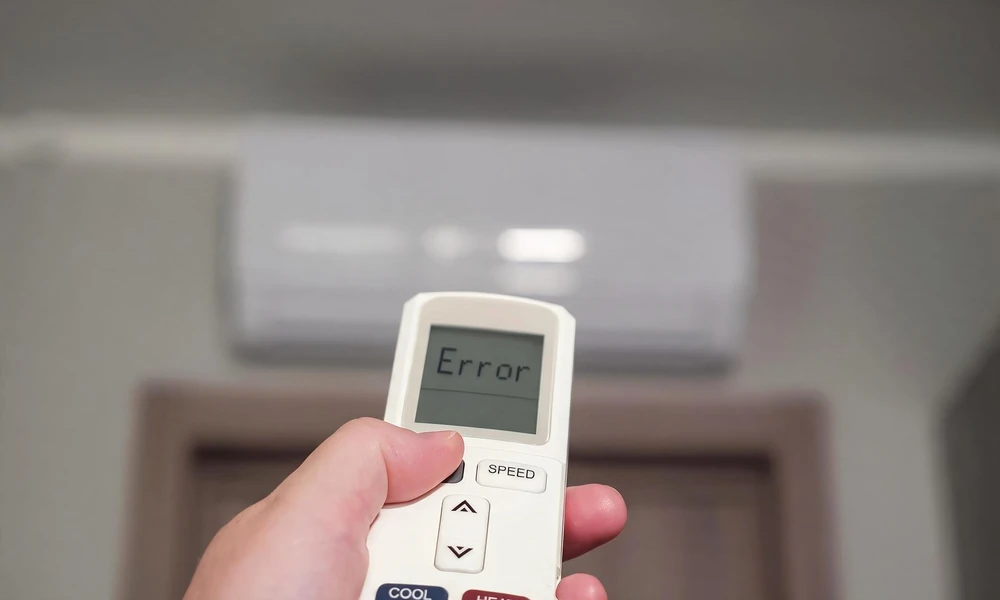
Modern Mitsubishi StarMEX systems can also display fault indicators that assist technicians during diagnosis. Having a basic understanding of StarMEX error codes helps homeowners communicate symptoms more accurately while recognising that a displayed code should never be treated as a final diagnosis.
Check the Basic Operating Settings
Start by confirming that the air conditioner is operating in cooling mode and that the selected temperature is lower than the current room temperature. Remote-control batteries should also be checked, while timer functions and operating schedules should be reviewed to ensure they have not been activated accidentally. Small setting errors are surprisingly common and can sometimes create the impression that the system is malfunctioning.
Next, inspect the accessible air filters and make sure furniture, curtains or decorative items are not restricting airflow around the indoor unit. Poor airflow often reduces cooling efficiency even when the air conditioner itself is functioning correctly.
Completing these simple checks before Mitsubishi aircon servicing allows obvious operating issues to be ruled out before more detailed inspection becomes necessary.
Observe How the System Performs
Allow the air conditioner to run for several minutes while paying attention to its overall behaviour. Notice whether cooling begins promptly, whether airflow remains consistent and whether any unusual sounds develop during operation. These observations often provide valuable clues about the condition of the system.
It is equally useful to consider whether performance has changed gradually or deteriorated suddenly. A slow decline in cooling efficiency may point towards maintenance-related issues, whereas an immediate loss of performance could indicate a developing fault that requires professional attention.
Reviewing StarMEX error codes explained alongside these observations can help identify the general area of concern, although technicians will still need to inspect the system thoroughly before confirming the exact cause.
Inspect the Indoor and Outdoor Units
A careful visual inspection of both the indoor and outdoor units can uncover early warning signs before your service appointment. Dust build-up, restricted airflow, or physical wear can degrade cooling performance long before the unit completely stops running.
Comparing both components during your visual check helps ensure every part of your system gets the right attention:
| Component | Visual Inspection Focus | Performance Impact if Neglected |
| Indoor Unit | Dust build-up on air filters, blocked supply vents, and unusual moisture or water pooling around the casing. | Restricts airflow, reduces indoor air quality, and causes uneven room temperatures. |
| Outdoor Unit (Condenser) | Clearance around the casing, clearing away leaves or storage boxes, and checking for damaged fins or fluid leaks. | Prevents efficient heat release, forcing the compressor to work harder and driving up energy bills. |
Keeping the area around your outdoor condenser clear allows heat to release efficiently without straining the system. If performance remains poor even after these basic checks, scheduling professional Mitsubishi aircon servicing ensures trained technicians can safely inspect the internal electrical circuits, refrigerant levels, and mechanical components.
Record Useful Information Before Booking
Before scheduling a service appointment, taking a few minutes to document your air conditioner’s behaviour can save significant time during repairs. Gathering clear details beforehand reduces guesswork and helps technicians diagnose the underlying problem accurately on their very first visit.
- Document Specific Symptoms: Note down exact operating issues, such as unusual noises, persistent odours, or areas of inconsistent cooling.
- Track Patterns & Timing: Record when the problem typically occurs-such as right at startup, after running for an hour, or only during peak heat.
- Log Active Error Codes: Write down any repeating digital display codes before turning off or resetting the unit.
- Note Environmental Changes: Keep track of recent weather conditions, power trips, or maintenance work done near the indoor or outdoor units.
Having this information ready allows your technician to cross-reference your observations with StarMEX error codes explained alongside their own physical testing and diagnostic procedures
Making the Most of Your Service Appointment
Taking a few minutes to review operating settings, inspect accessible components and record any unusual symptoms can make a professional service appointment more productive. While simple observations may rule out minor issues, qualified technicians remain best placed to diagnose faults accurately and restore reliable cooling performance.
Contact Newway for professional Mitsubishi air conditioner servicing and expert diagnostics to keep your cooling system operating at its best.
Frequently Asked Questions
- How can I tell if my aircon needs a professional service?
Watch for performance drops, strange noises, or persistent error codes displayed. - Should I trust error codes on my remote control?
Codes offer guidance but are not final; get an expert to diagnose the real cause. - Will cleaning the air filters fix common cooling issues?
Yes, it often helps airflow, but professional help is needed for internal faults. - Why is my outdoor condenser unit not cooling well?
Debris or blocked vents may prevent heat release, causing the system to struggle. - What details should I record before booking a repair?
Note symptoms, unusual noises, and error codes to help technicians diagnose it.
