

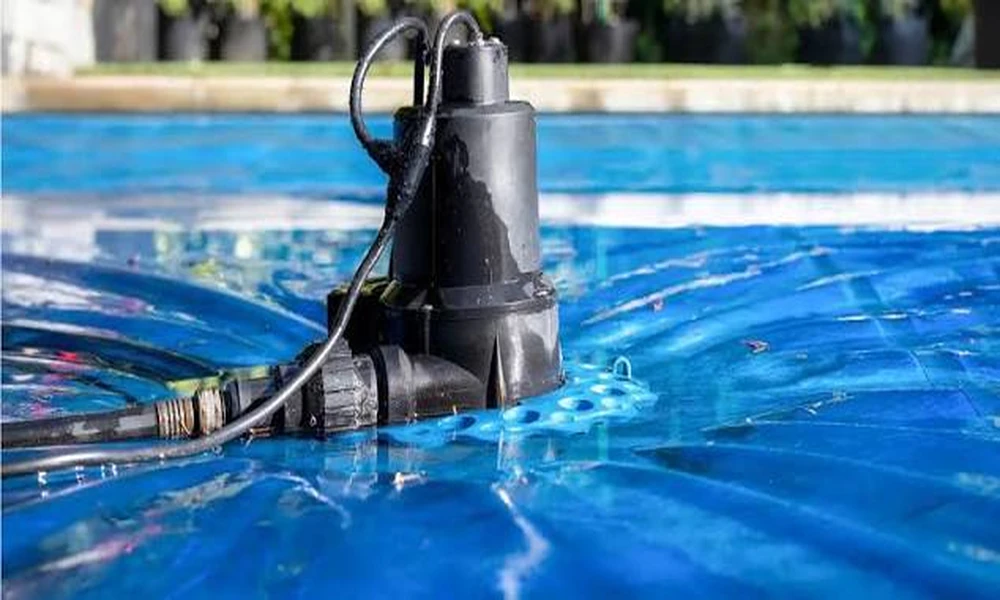
A backyard pool in North Texas works harder than most. Between April and October the pump, filter, heater and lights run almost every day. In winter the freeze protection system keeps watch over the plumbing. All of that equipment sits on a small concrete pad by the fence, wired into the house panel, and most owners never think about the electrical side until something stops working or starts acting strange.
Families around Grapevine, Southlake and Colleyville who bring pool trouble to DUB Electric tend to describe one of a few things. Some say a pump hums and won’t start. Others mention a breaker that trips after every storm, or an underwater light that flickers. The locally owned team has handled circulating pumps, motors, mechanical timers, heaters, freeze sensors and fiber optic lighting across the area since 2011. That experience points to something useful for every pool owner. Pool electrical problems fall on a sliding scale, and knowing where a symptom sits on that scale tells you how fast to act.
Small Glitches That Mostly Cost You Convenience
Some problems are irritating but carry little risk. Mechanical timers are the classic example. The clock motor inside a sun-baked timer box slows down over time, so the pump starts running at odd hours. A brief outage can knock the dial off schedule. Tripper pins loosen and fall out, and suddenly the pump runs all night or not at all. A dead photocell on landscape lighting falls into the same group, along with an LED pool light that has simply reached the end of its life.
None of these problems is dangerous in itself, but each one deserves a moment of caution. Before you open a timer box to reset pins or adjust a dial, turn the circuit off at the breaker. Water, metal and live terminals all sit within a few inches of each other on an equipment pad.
Clues That Equipment Is Wearing Out
The middle of the scale is where most service calls land. These symptoms are not emergencies yet, but they rarely fix themselves.
A pump motor that hums without spinning usually points to a failing start capacitor or worn bearings. A breaker that trips only after rain often means moisture is getting into a junction box or a cracked conduit fitting. Green or white crust on terminals and bonding lugs comes from chlorine fumes, especially when pool chemicals are stored right beside the equipment. Salt chlorine generators speed that corrosion along. A gas heater that clicks repeatedly without lighting, or an electric heat pump that trips its breaker on startup, belongs here too.
You can check a lot without removing a single cover. A slow walk around the pad once a month helps you catch these clues early.
- Look for chemical containers sitting within a few feet of the electrical equipment and move them away.
- Check that the conduit is intact and that weatherproof covers on outdoor outlets close fully.
- Listen to the pump at startup for grinding, screeching or a long hum before it turns.
- Note any timer that has drifted from the time on your phone.
- Watch for brown scorch marks or a warm plastic smell near the timer box or subpanel.
Anything that turns up beyond loose pins or a misplaced chemical bucket is a job for a licensed electrician rather than a weekend project.
Warnings Nobody Should Swim Through
At the top of the scale are signs that mean everyone gets out of the water and the power goes off at the breaker. A tingling sensation while swimming is the clearest one. So is a mild shock from a ladder, handrail or metal fence. An underwater light that flickers or works only some of the time can also signal trouble, as can a GFCI that trips instantly every time someone resets it.
The concern is electric shock drowning. Stray current in the water can lock a swimmer’s muscles, so a person who would normally climb out can’t. The Electrical Safety Foundation International pool and spa safety page notes that federal safety regulators have tied dozens of electrocutions and serious shocks to pools and their surroundings since 1990. Most of those injuries trace back to faulty wiring, damaged lights or missing protection. A person who feels tingling should swim away from the direction they were heading and leave the pool without touching metal fixtures if possible.
Bonding Does the Work You Never See
Bonding is the reason a well-built pool stays safe even when something goes wrong. It is the most misunderstood part of pool wiring. Under Article 680 of the National Electrical Code, the metal parts of a pool are tied together with solid copper conductor, typically 8 AWG. That includes the reinforcing steel in the shell, the pump motor, ladders, rails, light niches and metal within about five feet of the water. The deck area around the edge and the water itself are connected into the same grid. The goal is to keep every surface a swimmer might touch at the same electrical potential, so current has no reason to flow through a body.
Bonding is not the same as grounding, and it can be damaged without anyone noticing. Replacing an old deck with new pavers, adding a metal fence, or swapping a pump without reconnecting the bonding lug can break that grid. Once concrete covers the wiring it is difficult to inspect, which is why any change to the pool area is worth a check by someone who knows Article 680.
Newer Equipment Brings New Wiring Questions
Pool pads look different than they did ten years ago. Federal efficiency standards that took effect in July 2021 pushed most replacement filter pumps toward variable speed designs. Those pumps save a lot of energy, but their drive electronics are more sensitive to power surges than old single-speed motors. Many also make the mechanical timer unnecessary, since scheduling moves into the pump itself or an automation panel.
Recent editions of the electrical code also call for GFCI protection when a pool pump motor is replaced. That means a simple pump swap at an older home can trigger wiring updates the owner never expected. Older 120 volt incandescent pool lights are increasingly being replaced with low voltage LED fixtures. Each of these upgrades works best when the electrical work is planned at the same time as the equipment purchase.
How the North Texas Calendar Shapes the Risk
Local weather adds its own pressure. Spring thunderstorms send lightning surges down utility lines and into pump drives and automation boards, so whole house surge protection pays off quickly for pool owners. Summer heat bakes timer boxes and shortens the life of relays and plastic housings.
Winter is the season people underestimate. Freeze protection systems rely on a temperature sensor and relay that start the pump before water in the pipes can freeze. During the February 2021 storm many of those systems sat helpless because the power was out. Owners who later added a generator with a proper transfer switch gave their freeze protection a way to keep working through an outage. A transfer switch is not optional for that setup. Backfeeding a house through a dryer outlet endangers utility crews and anyone near the pool.
The pattern across all of this is simple. Resetting pins, moving chemicals and watching for early clues sit comfortably in a homeowner’s hands. Anything inside the panel, the bonding grid or the underwater lighting belongs with a licensed electrician. In Texas you can confirm a license through the state licensing agency before work starts. Treat small glitches as early warnings and serious signs as a reason to stop swimming, and the equipment pad by the fence will keep doing its job.
