

Key Takeaways
- Floors endure load and movement, so dense grout and proper bonding keep tiles stable and reduce edge chipping over time.
- Walls rely on strong adhesion and non‑sag grout to prevent slippage, maintain straight lines, and keep finishes neat.
- Correct consistency and full joint packing block moisture and dirt, helping tiled surfaces stay durable and easy to clean.
- Material pairing and joint width choices improve durability, appearance, and maintenance across floors and walls.
Introduction
Tiles may steal the spotlight, yet what lies between and beneath them determines how well the installation holds up over time. Selecting the right grout and bonding system helps prevent cracks, moisture entry, and early wear. When choosing tile grout in Singapore, recognising how floors and walls respond to pressure, movement, and damp conditions helps ensure a finish that stays intact and easy to maintain.
How Floors and Walls Handle Stress Differently
Movement and Load on Floor Surfaces
Floor tiles deal with constant pressure from foot traffic, furniture, and subtle vibrations. Grout must absorb minor movement while keeping tiles firmly in place. Installers typically pair a dense grout mix with tile adhesive in Singapore to prevent hollow spots and reduce the chance of cracks forming. Well‑filled joints also protect tile edges from chipping over time.
Vertical Surfaces and Gravity Effects
Wall tiles face gravity every second of the day. Moisture and temperature shifts also influence adhesion. Grout must stay firm without sagging, while the bonding layer holds tiles securely in position. Strong adhesion keeps lines straight and prevents tiles from creeping downward over time.
Grout Consistency and Application Techniques
Achieving Full Joint Coverage on Floors
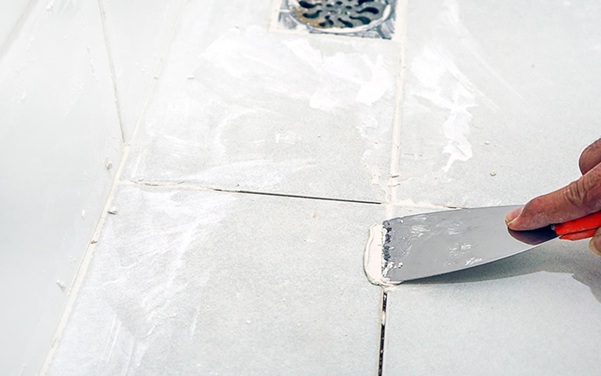
Floor joints benefit from grout packed tightly to remove voids where dirt and moisture can settle. A thicker consistency helps installers press material deep into the joints, creating a seal that stands up to daily use. Proper packing also limits water intrusion and keeps grime from weakening the joints.
Preventing Slump and Smearing on Walls
Walls call for a smoother mix that spreads cleanly without dripping. Careful application produces neat joints and reduces haze on tile surfaces. Keeping tile grout in Singapore workable during application prevents residue from drying on the tile face and dulling the finish.
Selecting the Right Materials for Each Surface
Dense Grout for High‑Traffic Floors
Floor areas need grout that resists abrasion and keeps its strength over time. Polymer‑modified blends accommodate minor movement while preserving joint stability. When paired with tile adhesive in Singapore, these materials create a firm base that handles daily wear and helps prevent cracking along grout lines.
Moisture‑Resistant Options for Walls
Kitchen and bathroom walls encounter splashes, steam, and humidity. Moisture‑resistant grout reduces staining and damp intrusion, helping surfaces remain hygienic and simple to clean. Choosing the right formulation also slows discolouration and keeps wall finishes looking fresh.
Joint Width, Layout, and Visual Balance
Wider Joints for Floor Durability
Slightly wider joints absorb movement and reduce stress along tile edges. Consistent spacing makes cleaning easier and helps grout remain intact in busy areas. Wider joints can also disguise small variations in tile size, keeping the surface visually uniform.
Narrow Joints for Sleek Wall Finishes
Narrow joints create a refined look while keeping visual interruptions to a minimum. Even alignment is easier to maintain when tile adhesive in Singapore holds tiles securely in place. Clean spacing improves visual flow and gives wall surfaces a polished appearance.
Maintenance Considerations for Long‑Term Performance
Cleaning and Protecting Floor Grout
Regular cleaning prevents grit from wearing down grout lines. Sealers can reduce staining and make upkeep simpler in high‑traffic zones. Consistent care helps preserve colour and keeps joints structurally sound.
Preserving Wall Grout in Wet Areas
Routine wiping and good ventilation limit moisture build‑up and discourage mould growth. Selecting tile grout in Singapore designed for damp environments helps maintain joint integrity and surface hygiene. Periodic inspection keeps grout lines clean and extends their service life.
Conclusion
Floors and walls experience different stresses, moisture exposure, and visual demands, which calls for different grouting methods. Matching grout consistency, joint spacing, and bonding materials to each surface helps prevent cracks, staining, and tile movement. Thoughtful choices during installation keep tiled areas looking sharp and performing well for years.
Contact Mapei Far East today to discuss practical grouting and bonding solutions suited to both floor and wall installations.
