

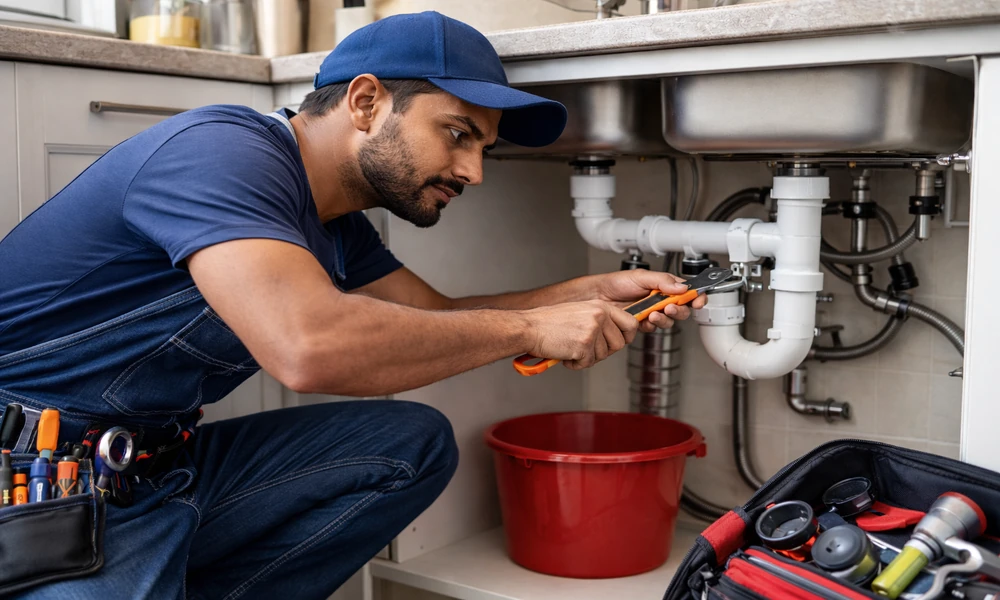
Burst pipes, overflowing toilets, and sudden leaks can cause serious water damage within minutes. Denver homeowners need a clear plan before panic sets in. Knowing exactly what to do during an emergency plumbing situation can protect your property, family, and your wallet. The difference between a minor repair and a major flood often comes down to how fast and correctly you respond. This guide walks you through each step so you are never caught off guard when water goes where it should not.
- Recognise a true emergency
Recognising whether your situation qualifies starts with what the water is doing right now. Active flow you cannot stop, sewage backing into sinks or toilets, and zero pressure across every tap in the home are all genuine emergencies. A slow drip under a cabinet is not. Getting this distinction right protects you from paying emergency call-out rates unnecessarily and delaying action when every minute matters.
- Shut off main water
Shutting off the main supply line stops damage before the plumber arrives. Find your main shutoff valve now, before any crisis happens. It sits near the water meter, along a basement wall, or where the main line enters the property. Turn it clockwise until it stops. Water flow to the entire home is stopped immediately, and further damage stops.
- Call a licensed plumber
Calling a licensed Denver plumber connects you with someone who can find the actual source of the problem, not just treat what is visible. Colorado requires all plumbers to hold a valid state license. Ask to see it before work begins. Many Denver plumbers offer 24/7 emergency response, so do not wait until morning if water is actively damaging your home right now.
- Protect your home safely
Protecting your home while help is on the way means moving fast but staying safe. Pull electronics, furniture, and valuables away from wet areas. Place towels or buckets under active drips. Turn off power in any room where water has reached the floor or walls. If you suspect gas line involvement, leave the property immediately and contact your gas provider before calling anyone.
- Steps after plumber arrives
Steps taken once the plumber is on site determine how well you recover financially and structurally. Request a written estimate before work begins. Take your own photos of all visible damage before repairs start. Keep every receipt and plumber’s written report together. This package is what your insurance provider needs if you file a claim. Once the repair is complete, ask for a check of surrounding pipes and fixtures to rule out secondary damage before it becomes the next emergency.
Denver homeowners who act with a clear plan protect their property faster and spend less recovering from the damage. Recognise the situation, stop the water, call a licensed plumber, keep your home safe, and document everything after the repair is done. These steps turn a serious plumbing crisis into a manageable event with a clean resolution.
