

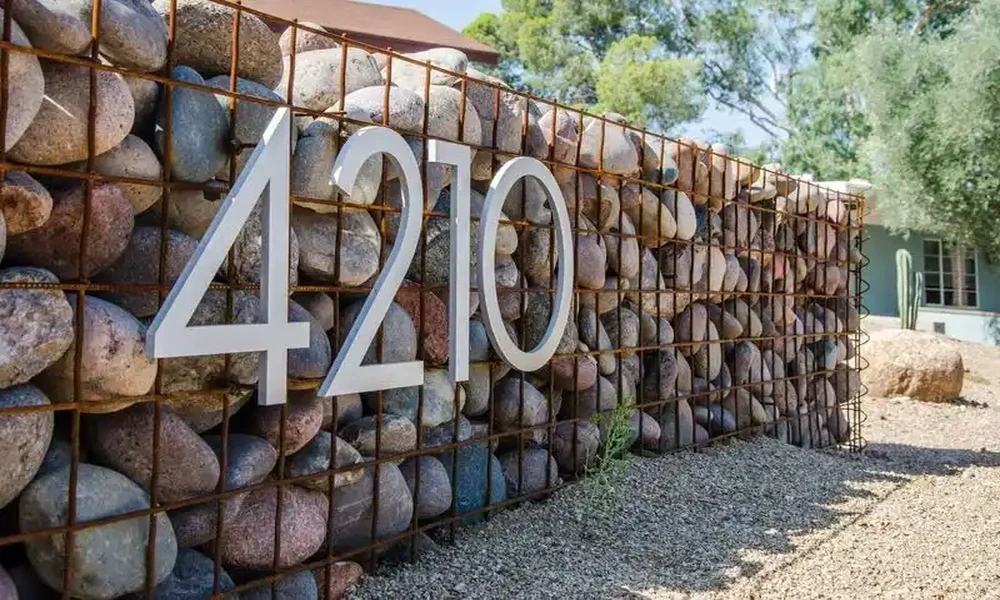
Few details signal a home’s character like its address numbers. But while style matters, durability is what keeps these numbers making a great first impression year after year. Faded digits, peeling paint, or corroded metal don’t just spoil curb appeal; they create confusion for guests and delivery drivers alike. So, what should you really consider before deciding on your next set of house numbers?
Why Does Material Durability Matter for Address Numbers?
Address numbers endure rain, snow, blazing sun, and the endless cycle of freeze and thaw. A flimsy material can quickly lose its shape or finish, making your house hard to spot from the street. More than just a matter of aesthetics, clear and intact numbers are crucial for emergency services and visitors.
The better the materials, the longer your address will stay bold and readable, even in harsh conditions. Choosing well up front slashes the need for constant repairs or replacements, and keeps your home looking polished.
How Durable Materials Impact Longevity and Appearance
Metal, stone, and high-grade synthetics resist the elements far better than bargain plastics or untreated wood. Quality metals develop a pleasing patina, while inferior finishes chip and flake. The choice of material determines how long your numbers remain sharp and visible, and how much maintenance they’ll require.
The Role of Weather and Environmental Factors
Weather is relentless. UV rays can bleach colors, rain can rust or stain, and freezing temperatures can crack some materials. Those living in areas with extreme shifts in climate need materials engineered for resilience, not just curb appeal.
What Are the Most Durable Materials for Address Numbers?
The market is full of options, but a few materials consistently rise to the top when it comes to longevity and performance.
Metal Options: Aluminum, Stainless Steel, Brass, and Bronze
Metals are the gold standard for address numbers. Aluminum is lightweight, rust-proof, and doesn’t warp. Stainless steel can shrug off corrosion and holds up well to urban pollution. Brass and bronze develop a rich patina as they age, resisting weather with elegance. Look for powder-coated finishes or protective lacquers to extend lifespan even further.
Stone and Ceramic: Timeless and Tough Choices
Stone and ceramic numbers evoke classic style while offering impressive resistance to the elements. These materials are unaffected by rot or insects and can stand up to scorching sun or biting cold. However, they can chip if struck and may be heavier to mount.
Synthetic Materials: High-Quality Plastics and Acrylics
Modern synthetics like acrylic offer crisp finishes and a surprising degree of weather resistance. The best options use UV-stable pigments and thick, impact-resistant construction, cheap plastics, on the other hand, can turn brittle and fade within a season.
How to Choose Materials Based on Your Environment
Not every home faces the same climate challenges. Your environment should directly influence your choice.
– Coastal Areas: Salt air accelerates corrosion, so opt for marine-grade stainless steel or UV-stable acrylics that won’t pit or fade.
– Urban Settings: Metals with anti-graffiti coatings and durable finishes handle pollution and the risk of vandalism.
– Rural and Harsh Climates: Extreme cold or heat calls for powder-coated metals or dense stone, both designed to survive the season’s worst.
What Design Features Enhance the Durability of Address Numbers?
The right material is only part of the equation. Smart design can make a significant difference.
– Protective Coatings and Finishes: Powder coating, anodizing, or clear lacquers all add an extra defense layer, shielding numbers from moisture and UV rays.
– Mounting Methods: Floating mounts keep numbers away from walls, improving airflow and reducing water retention. Anchoring hardware should be rust-resistant as well.
– Visibility and Legibility: Large, bold fonts with ample contrast remain readable even as finishes weather over time.
How to Balance Aesthetic Appeal with Material Strength
Durability need not mean dull. Customization, like choosing fonts, finishes, and sizes, ensures your numbers reflect your home’s style. The key is to work with a provider who offers both design flexibility and robust materials. For example, Orthografica address signage stands out for blending architectural style with durable, sustainable materials that look as good as they last.
What Are the Maintenance Needs for Different Materials?
Even the toughest materials benefit from occasional care. Metals often need only a quick wipe-down to remove grime. Stone can be cleaned with mild soap, while acrylics resist staining but should be checked for spider-cracks or UV damage. Regular inspection helps catch small issues before they become big headaches. Unlike plastics that may need full replacement when cracked, metals and stone can often be repaired by refinishing or resealing.
Where to Find Custom Durable Address Numbers and What to Expect
Professional sign makers bring both expertise and creativity to the table. The process usually begins with a design consultation, followed by material selection, fabrication, and delivery. Expect a turnaround of two to four weeks for custom orders, and inquire about warranties, some, like Orthografica, offer lifetime guarantees and a collaborative approach that lets you comment on the design before final production.
How to Make Your Address Numbers a Long-Term Investment
Choosing wisely at the start pays off for years. Investing in quality materials and thoughtful design keeps your address visible and stylish, while also supporting sustainability, many custom sign makers now prioritize eco-friendly sourcing and production. Treat your address numbers not just as a finishing touch, but as a practical, long-term investment in your home’s identity.
