

In corporate, business, and institutional settings, professional security guards are often the first to respond to situations. Guards are already on the scene and ready to act quickly in the event of a fire, medical emergency, security breach, or natural disaster. Whether situations turn into disasters or end with little harm and loss is frequently determined by their initial response.
Establishing clear operational channels between on-site fire watch security guards and incoming emergency responders is vital for ensuring a seamless handoff during a crisis. When a fire system is impaired, guards serve as the eyes and ears of the property, collecting critical real-world details about fire locations, hazard developments, and evacuation progress before help arrives. By conveying clear, structured updates to dispatchers and first-arriving units, these dedicated personnel eliminate confusion and allow fire departments to deploy their resources with maximum efficiency the moment they reach the scene.
One of the most important and challenging facets of security employment is emergency response. Guards must quickly switch from normal monitoring to crisis management, putting their training to use under pressure and working with qualified emergency services. Guards can efficiently perform this first responder function while ensuring their personal safety by having a thorough understanding of emergency protocols.
Variety of crisis safeguards experience.
Medical crisis.
The most common emergency category that security guards deal with is medical events. Immediate guard response is necessary for heart attacks, fall-related injuries, allergic responses, and industrial accidents. Hospital and healthcare facility security teams are more likely to encounter medical emergencies, but all guards need to be ready for health crises involving staff, guests, or members of the public.
Fire and life security circumstances.
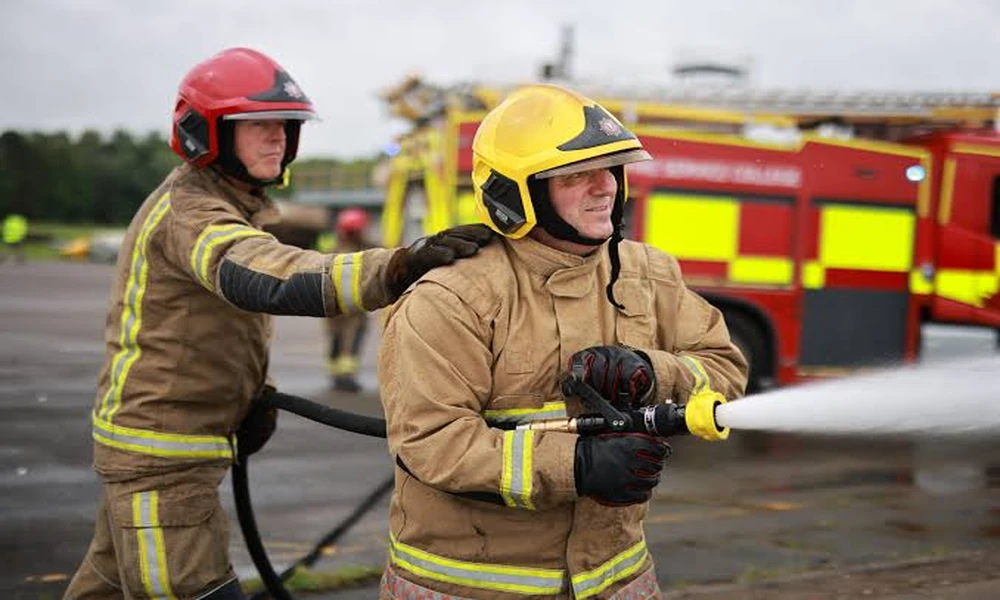
Initial discovery, alarm activation, evacuation aid, and communication with fire agencies are all crucial responsibilities that guards play during fire crises. When fire safeguard systems are compromised, guards are required by fire watch rules to exercise extra caution. Effective guard reaction during fire incidents is made possible by knowledge of smoke control systems, sprinkler systems, and fire extinguishers.
Safety events and danger.
All security personnel are required to comprehend isolation procedures, shelter-in-place customs, and removal decision standards during violent occurrences; however, armed security guards get specialized active threat training.
Atmospheric and natural calamity.
Emergencies that call for guard reaction include earthquakes, strong storms, deluges, and power outages. During environmental emergencies, guards carry out business continuity protocols, help ensure occupant safety, and keep an eye on the integrity of the structure. When regular operations are suspended during a disaster, their constant presence offers stability and coordination.
First response custom. The first crucial minutes.
After an emergency is recognized, the instant response stage determines the course of all subsequent actions. While keeping themselves safe, guards must quickly assess conditions, decide on the best course of action, and start important alerts. Frameworks for handling this stressful decision-making phase are provided by standardized initial reaction protocols.
Instant notification method.
Guards are required to alert facility management and professional emergency services either simultaneously or sequentially. Information on the location, the type of emergency, known injuries, and potential dangers should all be communicated in a clear and succinct manner. In addition to ensuring that the right resources react, effective dispatch communication helps incoming units get ready for the conditions they will face.
