

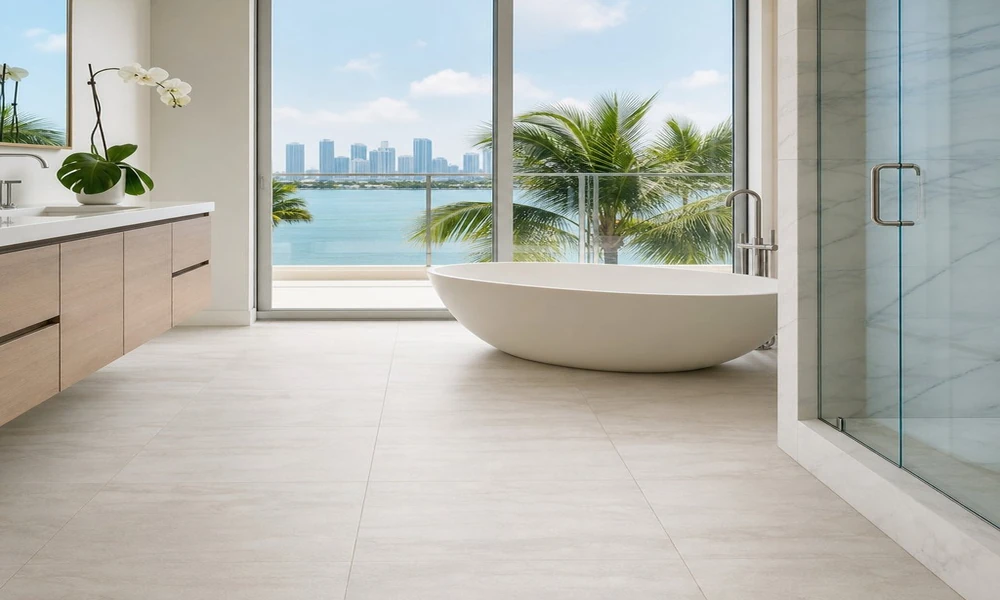
Tile installation in Miami’s bathrooms isn’t only about aesthetics. In addition to looking nice, tile must withstand daily moisture, humidity, and steam. For this reason, you want to think carefully about what type of tile you install and how you go about installing it. Getting it done right will not only keep water damage at bay but will give your bathroom a bright and clean look that holds up to daily use.
Considerations When Installing Bathroom Tile in Miami
The high humidity in Miami, as you can see on here, may have a long-term impact on bathroom tile, including grout, adhesive, drywall, and even subfloors. While tile itself can appear simple, proper bathroom tile installation involves much more than simply placing the tile. You must ensure it’s properly prepared, waterproofed, and made of appropriate material.
Some things to bear in mind when installing bathroom tile in Miami:
- Waterproofing behind the shower or bathtub tile
- Using slip-resistant tile on bathroom floors
- Ensuring proper drainage in the shower
- Ensuring tile material can stand up to humidity
- Cutting tile around corners, doors, and other obstacles
If all of this is considered beforehand, your finished bathroom will be more likely to look great and stand the test of time.
Selecting Bathroom Tile for Your Miami Home
Porcelain tile is a great choice for bathroom tile in Miami due to its density, durability, and water resistance. Ceramic tile can also be used, especially in low-traffic areas. If you’re looking for something a bit more rustic, natural stone is also an option, though it may require additional sealing and care.
If your bathroom is small, using larger format tile may create a feeling of greater space. Lighter colors tend to work well in many Miami homes, as they tend to make spaces feel brighter and airier. When it comes to tile on bathroom floors, texture is important. Slippery tile could be dangerous in the shower – you can see more at nia.nih.gov/health, or even just walking around the bathroom.
Bathroom Floor Tile and Wall Tile Are Different
Floor tile must be able to take a lot of foot traffic and standing water, which means wall tile has a little more wiggle room to experiment with different colors and textures. However, many shower floors are made with smaller format tile to make the tile easier to cut to the right pitch and to provide better traction thanks to the added grout lines.
Waterproofing Is Crucial
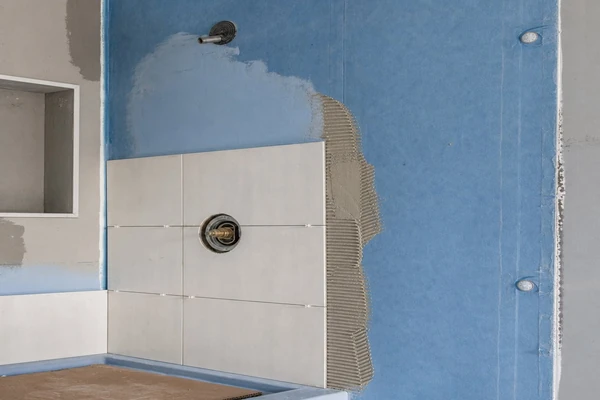
One of the most important steps in Miami bathroom tile installation is waterproofing. Even though tile and grout help protect surfaces, they are not complete waterproofing by themselves. You still need the proper backer boards, membranes, sealants, and installation techniques to keep water out of walls and floors. This is especially important in showers, tub surrounds, and upstairs bathrooms.
While it may take longer to notice water damage, water can creep its way into walls and under flooring where it may eventually cause the grout to crack, tile to loosen, or other surrounding materials to swell. Having good waterproofing beforehand can help minimize this potential risk.
Layout Planning
To get started with a tile installation, you need a plan! It doesn’t matter if you’re doing a full tile installation or an accent tile, proper planning can help prevent bad cuts, unbalanced grout lines, and misaligned patterns. Additionally, you’ll want to ensure proper alignment for drains, niches, and trim work.
Things to plan for ahead of time:
- The size of tile and which direction you’re going to run it
- Color and joint width of grout
- Location of niche in the shower
- Trims and finishes for tile
- Transitions between floor and wall tile
While these things may seem minor, they can have a big impact on the overall look of your Miami bathroom.
Site Preparation
Site preparation is a huge part of the process. Before installing your new tile, you may have to remove old tile, cracked drywall, loose adhesive, and any uneven surfaces. Any surfaces you’re installing tile onto should be clean, flat, and waterproofed for use in wet areas.
If you’re doing a bathroom remodel in an older Miami home or condo, you may discover uneven concrete, older plumbing, or even signs of previous water damage. Fixing these problems ahead of time will protect your tile installation and extend its lifespan.
Grout and Maintenance
Grout is another element of tile installation that plays an important role in both the appearance and upkeep of your tile. Light-colored grout tends to blend in seamlessly, but darker grout may be better for concealing everyday dirt and staining. Some types of grout also claim to be more stain- and water-resistant than standard grout.
Making Sure Your Bathroom Holds Up
Tile installation in Miami is best done when design and durability are considered together. The right tile, proper waterproofing, adequate preparation, and well-thought-out layout can help your Miami bathroom not only look great but also be suited to local conditions. A properly planned bathroom tile project can add beauty, utility, and value to your home.
