

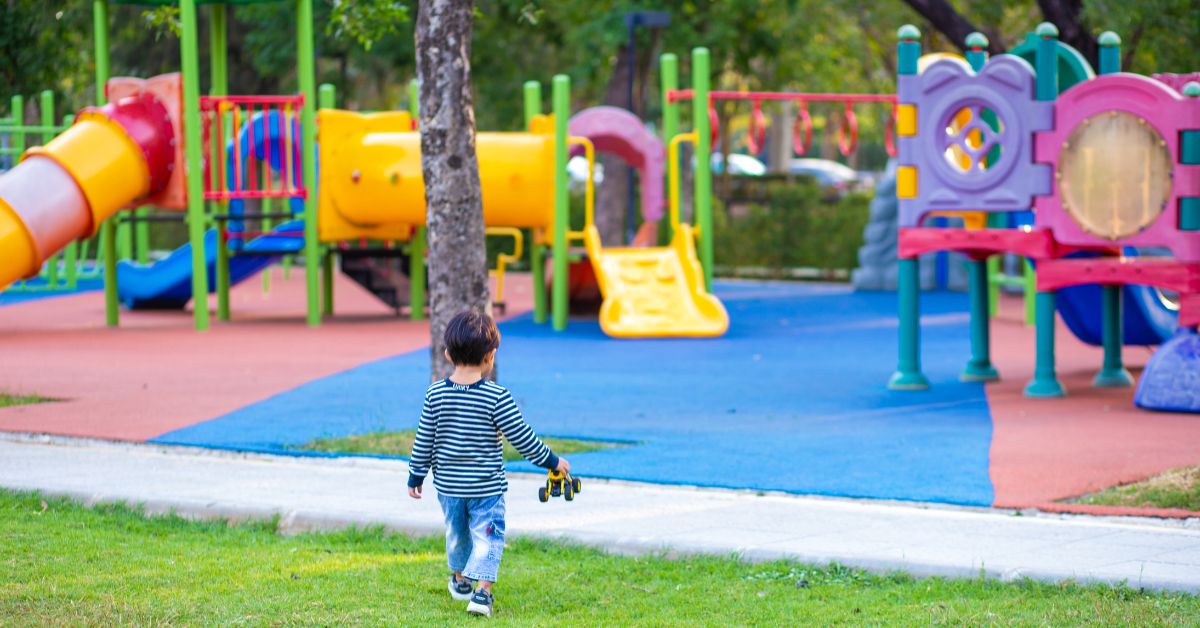
Creating a kid-safe play yard isn’t just about building a fun space—it’s about nurturing independence, imagination, and healthy outdoor play. Parents today are looking for creative ways to transform their backyards into inviting play zones where safety and adventure meet. Whether you’re working with a small urban patio or a sprawling garden, the essentials remain the same: gentle surfaces, safe swings, and engaging sandboxes.
Why Kid-Safe Outdoor Spaces Matter
When children play outside, they learn confidence, balance, and social skills through movement and exploration. A kid-safe play yard encourages natural interaction with the environment while giving parents peace of mind. Thoughtful design helps prevent injuries, fosters creativity, and invites hours of imaginative play—without the need for screens or structured activities.
The goal? A fun, functional, and safe outdoor oasis that grows with your child. By blending materials, zones, and sensory elements, you can create a space that feels magical yet meets all your safety standards.
Soft Surfaces Make All the Difference
Start with the ground. Cushioned surfaces protect little explorers from tumbles while making play more comfortable year-round.
Popular options include:
- Rubber mulch or playground tiles – Non-toxic and shock-absorbent, they cushion falls and stand up to moisture.
- Artificial turf – Soft underfoot and easy to maintain, it mimics grass without mud or pests.
- Natural grass with play mats – Perfect for families who prefer eco-friendly materials and gentle textures.
When planning, consider layering. For instance, playground tiles beneath swings and slides add safety while keeping the yard visually cohesive. A smooth surface also makes cleanup quick after a rainy day or sandbox spill.
Safe Swings for All Ages
Swings are timeless. Whether it’s a classic rope design or a toddler seat, they’re an anchor feature for any play yard. Choose sturdy frames made from powder-coated steel or weather-treated wood. Ensure all hardware is rust-resistant and firmly anchored in soft ground or a protective base.
Variety matters here. Bucket-seat swings suit toddlers, belt swings encourage older kids’ coordination, and platform swings invite group play. Always follow installation guidelines carefully—height, spacing, and secure hardware reduce risk while maximizing fun.
Want a versatile setup? Consider adding removable swing hooks to switch between different styles as your children grow. This flexibility keeps the play yard useful for years rather than just months.
Sandboxes for Sensory Play
No kid-safe play yard feels complete without a sandbox. Sand provides hours of tactile fun that stimulates sensory and creative learning. Kids can build, dig, and sculpt, nurturing imagination while developing fine motor skills.
Choose natural, washed play sand that’s free from dust and chemicals. For added creativity, include small shovels, buckets, and molds. A shaded area keeps play comfortable in sunny climates, while a tight-fitting lid or canopy protects against insects, pets, and debris.
Tip: Add natural borders around the sandbox—like stones, pavers, or wooden edging—to visually separate the area and keep the sand contained. The sandbox can even double as a small garden plot when kids grow older, teaching basic planting skills.
Integrating Nature and Creativity
Outdoor play doesn’t have to be all plastic or prefab. Natural elements like tree stumps,
stepping stones, and garden pathways encourage imaginative play and exploration. You can easily create a mini “nature trail” connecting the sandbox to a soft-grass section or a swing zone.
Adding sensory-friendly plants such as lavender, lemon balm, or ornamental grasses provides color and texture while teaching kids about nature’s variety. Soft scents and gentle rustling create a peaceful atmosphere, transforming your backyard into a play and learning environment.
Organization and Storage Made Easy
Kid-safe play yards can quickly get cluttered. To keep the space tidy and accessible, plan for practical storage. Outdoor sheds work beautifully for housing toys, sand tools, and seasonal gear. Choose weatherproof materials to protect items from rain and sun damage, and include shelving or bins for easy organization.
In smaller yards, compact benches with hidden storage compartments double as seating and toy storage. Keeping things organized makes daily play easier and ensures everything is safely tucked away after use.
Smart Accessories for Extended Enjoyment
As you create your play yard, sprinkle in versatile accessories that keep activities fresh. Small splash areas, mini tents, or movable tunnels enhance both warm-weather fun and creative adventures. You can even integrate baby activity toys into shaded zones to encourage supervised outdoor engagement for younger children.
Lighting also enhances evening safety and aesthetics. Solar-powered lanterns or string lights make the play yard usable after sunset while keeping energy costs low. If your area gets cold or wet in certain seasons, consider roll-up play mats or removable coverings to protect equipment and maintain comfort year-round.
Creating Memories That Last
At the heart of every kid-safe play yard is a simple purpose—to bring joy, growth, and connection. The laughter of swinging high, the quiet concentration of building sandcastles, and the shared pride in planting a child’s first flower all weave together to form lasting family memories.
Designing with intention means balancing fun with function. Every surface, swing, and sandbox can spark imagination, but safety always comes first. When thoughtfully planned, your backyard becomes more than a play space—it becomes a living classroom and cherished corner of family life.
So, gather ideas, involve your kids in the planning, and start shaping your perfect family play zone. It may begin with soft surfaces and a sandbox, but it ends with countless adventures, sunny smiles, and shared stories that last for years.
