

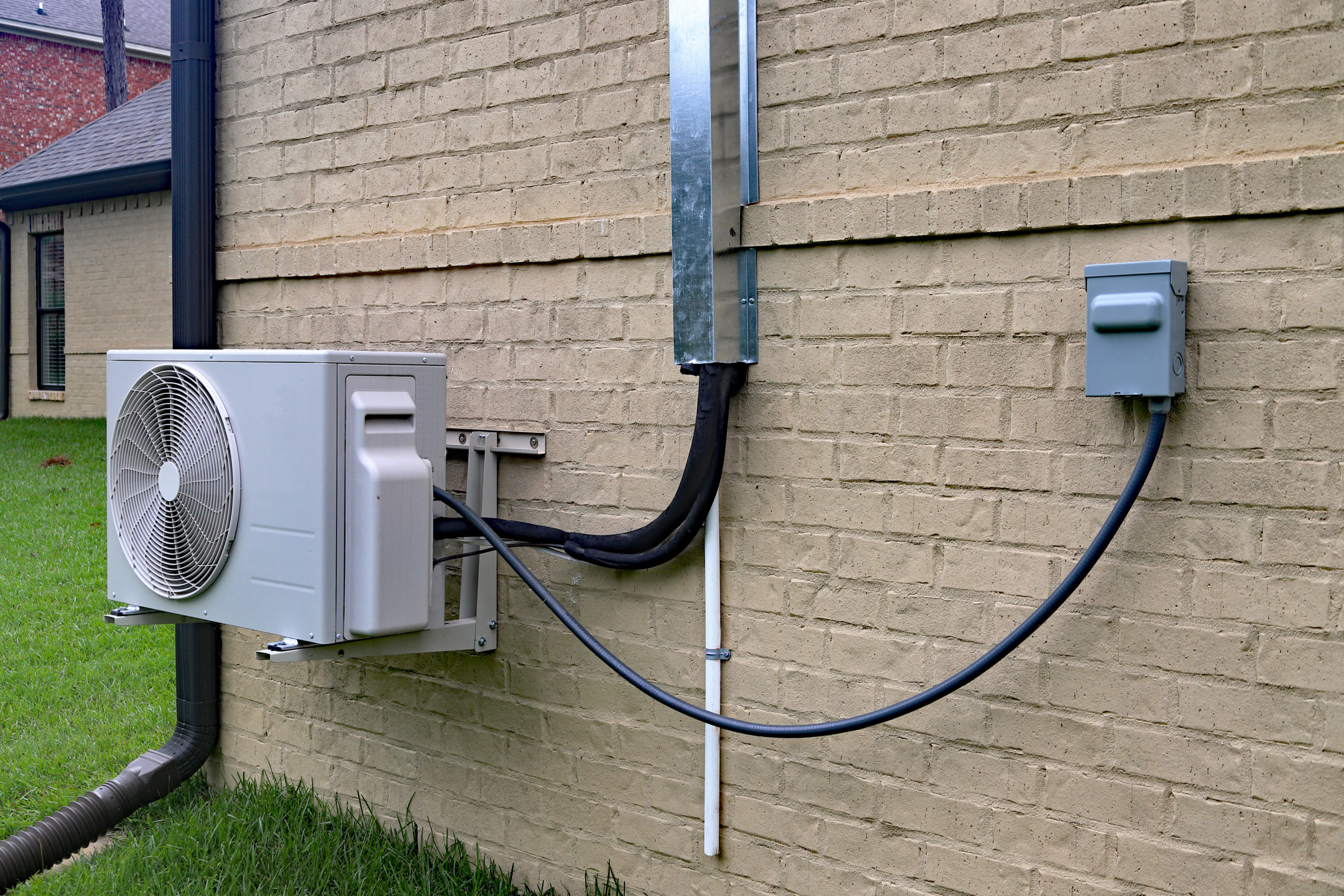
Upgrading home climate control brings practical value for people seeking steady airflow and reliable temperature balance. Modern units reduce strain on indoor areas while supporting simple control choices. Their flexible form helps projects that need clean setups without major changes. These systems also support air conditioning orange by lowering overall use through focused supply. Each unit works quietly and suits varied room sizes, giving steady circulation. The absence of long ducts reduces issues linked to leaks and waste. This approach fits different layouts and helps maintain stable indoor conditions while keeping energy use steady across wide living zones.
Energy Saving Advantages
These systems use steady processes that direct cooling or heating where it is actually needed. This reduces waste, lowers overall power draw, and supports consistent indoor conditions. Their design avoids duct related loss, helping homes maintain stable temperatures across diverse room sizes.
Quiet Operation
These units use compact outdoor parts and well balanced indoor components that work at steady levels. Gentle operation reduces noise across living rooms. This helps households maintain calm indoor settings without disturbance or vibration issues that occur in older systems.
Flexible Installation
These units require minimal changes to existing structures. Installers can place indoor parts in varied locations, supporting unique room shapes. The small outdoor section fits tight spaces. This approach limits building work and helps maintain clean interior spaces.
Better Air Circulation
These units help improve indoor airflow by supplying steady streams of treated air into chosen rooms. They avoid dust buildup associated with long ducts. This supports cleaner circulation and reduces issues related to poor movement and uneven temperature spread.
Zoned Temperature Control
These systems allow separate room regulation, giving each area its own setting. This reduces unnecessary cooling or heating in unused sections. It also helps maintain uniform flow in busy rooms, increasing overall system efficiency and indoor balance.
Reduced Energy Waste
By removing ducts, these systems avoid leaks that often cause waste in traditional setups. Air reaches the intended zone directly, increasing unit efficiency. This also supports stable temperature recovery times and more controlled energy use patterns.
Simple Maintenance
Their design allows direct access to filters and indoor components. Cleaning requires minimal steps, reducing time spent on upkeep. Lack of ducts limits debris buildup. Users gain steady performance when filters are kept clean and clear of dust.
Long Term Value
These systems often last longer due to efficient operation and lower strain. Their controlled output supports steady use throughout different seasons. Reduced mechanical load helps limit issues that lead to long repairs across older systems.
Improved Temperature Balance
Direct air supply supports fast adjustments across selected areas. This reduces fluctuations inside rooms. Stable delivery helps maintain predictable conditions throughout various seasons. Indoor areas remain evenly cooled or warmed as needed.
Compact Structure
The small indoor and outdoor parts take less space and allow easier placement. Their slim design fits various walls. This helps maintain clear floor areas and supports uncluttered room layouts across different building sizes.
Modern ductless systems bring steady gains by offering zoned control, cleaner airflow, and lower waste. Their tailored output supports varied room needs without broad structural changes. They work quietly and maintain stable conditions efficiently. Homes using this approach gain stronger regulation that supports air conditioning orange and long term indoor improvement without complex steps.
