

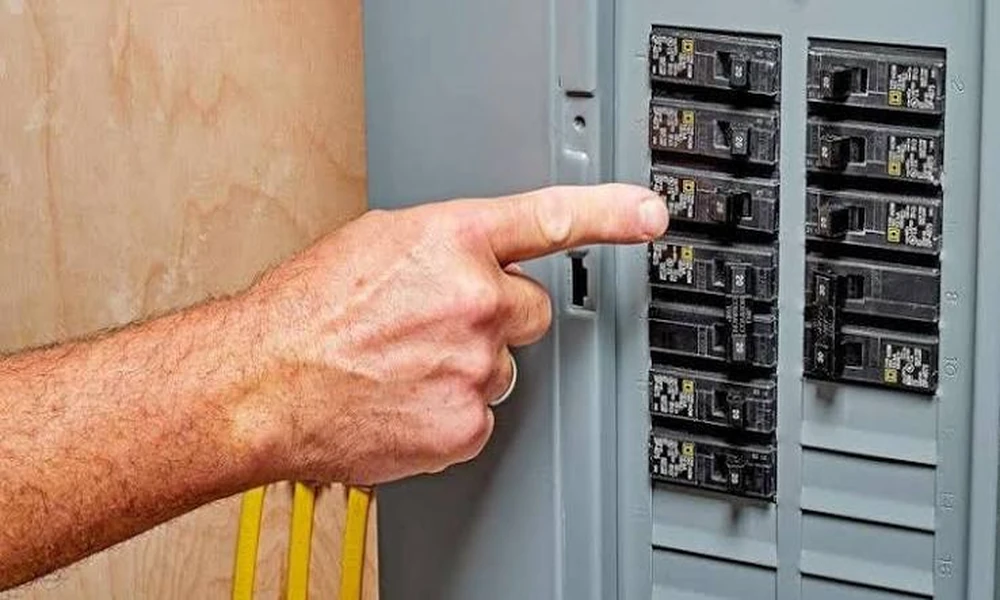
For a lot of Tampa Bay homeowners, the push to replace an electrical panel doesn’t come from a spark or a burnt smell. It comes in the mail. A renewal notice asks for a fresh four point inspection, the inspector photographs the breaker box in the garage, and a week later the carrier writes back with a deadline. Fix the panel within a set window or lose the policy. In a state where finding coverage is already hard, that letter gets attention fast.
When that deadline lands, many people searching for panel replacement in Hillsborough County end up talking with a licensed local contractor such as the team at neelectricalllc.com, which handles panel upgrades, repairs and remodel wiring around Tampa and Wesley Chapel. Before that call, though, it pays to understand why insurers care so much about one metal box, and what a proper swap actually involves.
Names That Make Underwriters Nervous
A four point inspection looks at the roof, plumbing, HVAC and electrical system, and the electrical page almost always asks for the panel’s manufacturer. Inspectors usually just record the brand and photos. The underwriter makes the call. Certain names tend to end that conversation quickly.
- Federal Pacific Electric panels fitted with Stab-Lok breakers
- Zinsco and Sylvania-Zinsco panels
- Some older Challenger panels, depending on the carrier
- Fuse boxes of any brand, still hiding in older bungalows around Seminole Heights and Brandon
The concern with Federal Pacific and Zinsco equipment has a long history. Breakers may fail to trip under overload, and some designs let the breaker loosen from the bus bar, which can lead to arcing and heat. A panel can look perfectly tidy and still carry that reputation, so a clean appearance rarely changes the outcome.
When the Brand Isn’t the Real Problem
Plenty of panels get flagged for reasons that have nothing to do with the label. Garages around here are hot and humid for most of the year, and that air finds its way inside enclosures. Rust on the bus, corroded lugs and water staining from a leaky exterior meter base all show up on inspection photos.
Then there are the workmanship issues. Two wires jammed under a breaker built for one, known as a double tap, is a common finding. So are missing knockout covers, breakers from a different manufacturer than the panel, and loose neutral bundles. A handful of these can sometimes be corrected without replacing anything. A box that has collected years of them usually can’t be saved economically.
Capacity matters too. Many homes built before the 1980s run on 100 amp service. That was fine for a window unit and an electric range. It gets tight once you add a heat pump, a pool pump, an electric vehicle charger and a home office running all day. A load calculation tells you whether a straight swap makes sense or whether the service should grow to 200 amps.
Swapping Like for Like or Going Bigger
A same size replacement keeps the existing service conductors and meter base where they’re in good shape. The old panel comes out, a new one goes in, and each circuit is landed on a new breaker. It is the simpler and less expensive route.
An upgrade to larger service is a bigger project. The meter can, service entrance cable and sometimes the grounding all change, and the utility gets involved. Tampa Electric serves most of the county and coordinates disconnecting and reconnecting power at the meter. Homes with overhead service may need a new mast, while underground services can raise questions about the lateral running out to the transformer. Whichever path you choose, deciding up front saves you from replacing the panel now and tearing into the service again in three years when you buy an electric car.
The Fine Print Today’s Code Adds to the Bill
Florida adopted the 2020 National Electrical Code with the 8th edition of the Florida Building Code, and a panel replacement brings several of its rules into play. Two surprise homeowners most often. A whole home surge protective device is now required on residential services. Homes also need an emergency disconnect that first responders can reach outside the house, which on many older properties means adding a disconnect at or near the meter.
Circuits that get modified or extended during the work may also need arc fault or ground fault protection that the old panel never had. Those combination breakers cost more than standard ones, so a quote for a 30 circuit panel can climb quickly. A good estimate spells this out line by line rather than burying it in a single number.
Permits, Inspectors and the Map
Replacing a service panel requires a permit in Florida, and who issues it depends on the address. The unincorporated county runs its own building services, while Tampa, Temple Terrace and Plant City each have separate building departments with their own portals and inspection schedules. A licensed electrical contractor pulls the permit, and the work isn’t finished until a final inspection passes.
That final approval is the document your insurer wants to see. Unpermitted panel work can create more trouble than the original panel, especially when you sell. Florida’s Department of Business and Professional Regulation explains how to verify a contractor’s license by name or number, and it takes about a minute to check before signing anything.
How the Day Usually Unfolds
Most straightforward replacements wrap up in a single working day, though larger service upgrades can stretch longer when utility scheduling is involved. The morning starts with the power cut at the meter, which means the house stays dark for most of the job. Each circuit gets labeled before the old panel and its breakers come off the wall, so nothing ends up guessed at later.
By midday the new enclosure is usually mounted, grounded and bonded, with every circuit landed on its breaker and tightened to the manufacturer’s torque spec. The surge device and any required outdoor disconnect go in around the same time. Once the inspector signs off, power comes back on, either from the electrician restoring it or the utility crew reconnecting the meter.
Plan around the outage. Keep the refrigerator closed, charge phones the night before, and if anyone at home relies on powered medical equipment, arrange backup ahead of time.
Closing the Loop With Your Carrier
Once the permit is finaled, ask for a copy along with a short invoice describing the new panel’s brand, amperage and installation date. Many carriers then want an updated four point form or photos of the new equipment, and some accept the electrician’s documentation directly. Send it well before the deadline in that original letter, and keep copies, because the next buyer of your home and their insurer will almost certainly ask the same questions about the box in the garage.
