

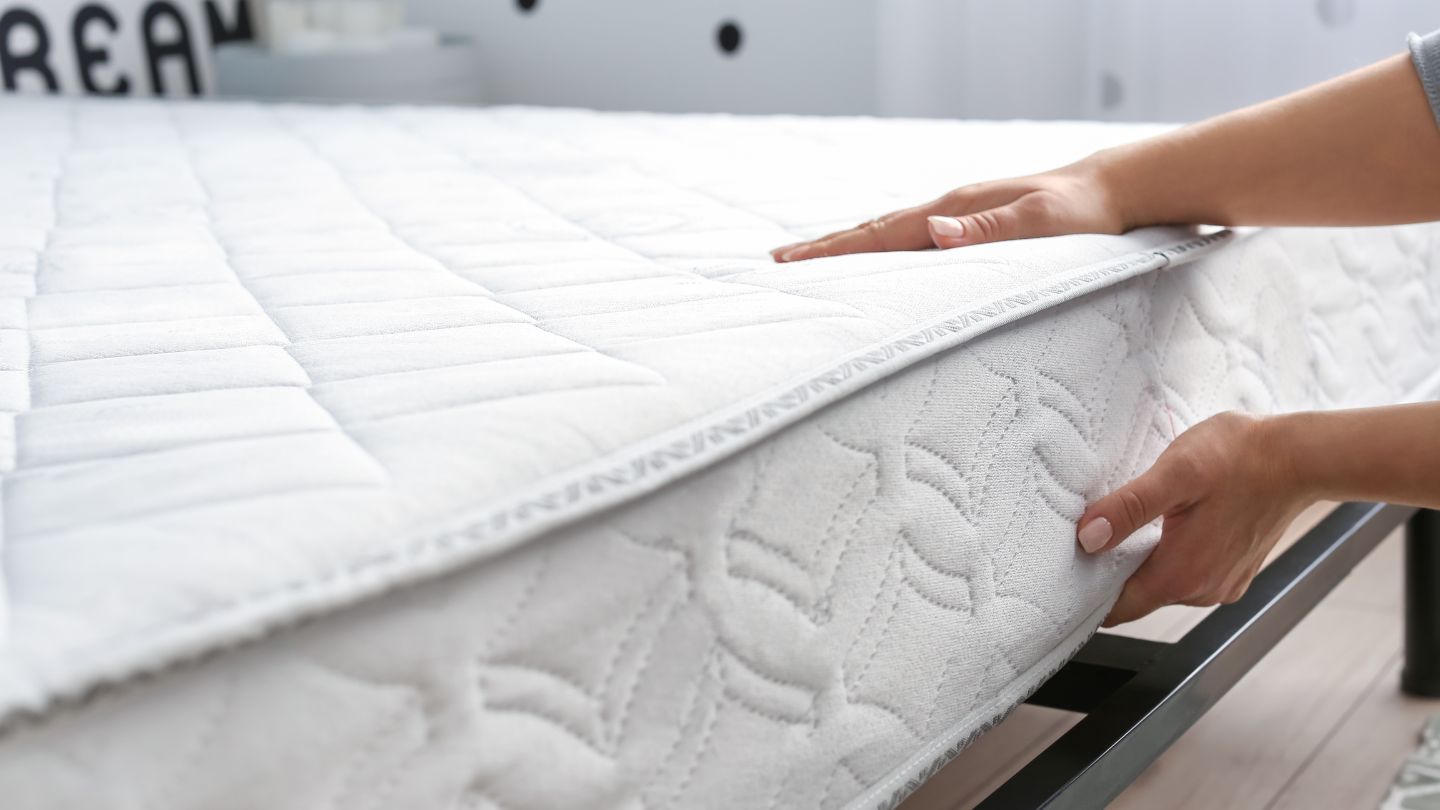
The sight of an abandoned mattress leaning against a curb is all too familiar in many cities. In Quebec, though, that mattress may be just the beginning of a remarkable second life. Instead of piling up in landfills, over 400,000 mattresses every year are diverted into a sophisticated recycling system, turning waste into valuable resources and demonstrating a model for sustainable innovation.
The Scale and Significance of Mattress Recycling in Quebec
Annual Volume and Regional Comparison
Mattress recycling is not a minor afterthought in Quebec’s waste management strategy. Each year, the province, alongside Ontario, successfully recycles more than 400,000 mattresses, a figure that positions Quebec as a Canadian leader in this area. By comparison, France recycles roughly a million mattresses annually, but Quebec’s per-capita effort is noteworthy, given its population size.
Environmental Impact of Mattress Waste
Why does this number matter? Mattresses, with their bulky size and complex mix of materials, pose unique environmental challenges. Left in landfills, they consume significant space and can take decades to break down. The recycling process diverts thousands of tonnes of foam, metal, and textiles from landfill each year, dramatically reducing both space requirements and the risk of environmental contamination.
Economic and Social Benefits
These environmental wins have economic and social ripple effects. Mattress recycling supports local jobs, from collection crews to skilled workers who dismantle mattresses in specialized facilities. The supply chain for recovered steel, foam, and fiber also boosts regional manufacturing and creates a circular economy that other waste streams struggle to match.
The Revolutionary Recycling Process
Not all mattress recycling processes are created equal. Quebec’s approach has become a North American benchmark for efficiency and innovation.
Collection and Transportation Logistics
Mattresses are collected through municipal programs, retailer partnerships, and direct drop-offs. Robust logistics ensure that units are transported efficiently to recycling centers, minimizing fuel usage and maximizing load capacity. Some cities have even integrated mattress pickup into regular bulky item collection, streamlining the process for residents.
Material Separation Techniques
Once at the facility, each mattress is manually deconstructed. Skilled workers separate the steel springs, polyurethane foam, cotton, and wood components. This hands-on approach ensures minimal contamination between materials, leading to higher recovery rates and better end-use potential for each material stream.
Innovative Technologies Employed
Quebec facilities are at the forefront of implementing new technologies, such as mechanical shredders for foam and automated sorting systems. These advancements speed up the process and improve worker safety. For instance, advanced air filtration systems reduce particulate exposure, while ergonomic workstations lessen repetitive strain injuries.
Quality Control and Safety Measures
Every batch of recovered materials undergoes quality checks to ensure that the foam, metal, and fibers meet purity standards necessary for reuse in products like carpet underlays or steel manufacturing. Strict safety protocols, including personal protective equipment and hazard identification training, protect workers from sharp objects and biohazards.
Stakeholders and Partnerships Driving Success
The mattress recycling ecosystem in Quebec owes much of its success to collaboration across sectors.
Role of Recyclage Matelas Canada and Local Agencies
At the heart of this system is Recyclage Matelas Quebec, an organization whose expertise and innovation are setting industry standards. Their partnership with local agencies ensures that recycling remains accessible and efficient for both households and businesses.
Collaboration Between Quebec and Ontario
By pooling resources with Ontario, Quebec is able to achieve economies of scale that make recycling both cost-effective and technologically advanced. Facilities share best practices, research, and even equipment when needed, fostering a spirit of interprovincial cooperation.
Involvement of Government and Private Sector
Provincial regulations mandate producers and retailers to participate in recycling schemes, while government funding supports research and infrastructure. Private companies add agility and innovation, often piloting new disassembly or sorting technologies before they’re scaled up province-wide.
Community Engagement and Awareness Campaigns
Public buy-in has been crucial. Education campaigns teach residents how and where to dispose of mattresses properly. These efforts have led to higher participation rates and better quality of incoming material, which in turn keeps costs down and recovery rates high.
Challenges and Future Directions
The journey to 100% mattress recycling is not without roadblocks.
Handling Complex Mattress Components
Modern mattresses contain everything from memory foam to gel inserts, complicating separation and recovery. Ongoing research aims to develop new methods for breaking down these advanced materials.
Scaling Up Capacity and Infrastructure
As the population grows and mattress turnover increases, facilities will need to expand capacity and update machinery to keep pace. Securing sustainable funding will be essential for growth.
Policy and Regulatory Developments
Upcoming regulations could set more ambitious recycling targets or incentivize the development of eco-friendly mattress designs that are easier to recycle. These policies may shape the future of the industry not just in Quebec, but across Canada.
Vision for Mattress Recycling Beyond Quebec
Quebec’s system has become a template, inspiring other provinces and even international observers. By continuously innovating and fostering collaboration, Quebec is not only reducing its own waste but also helping to shape a more sustainable future for mattress disposal everywhere.
In a world struggling with the consequences of waste, Quebec’s mattress recycling story is a reminder that with vision and cooperation, even the most cumbersome problems can be dismantled, spring by spring, fiber by fiber, into solutions that benefit everyone.
