

Introduction
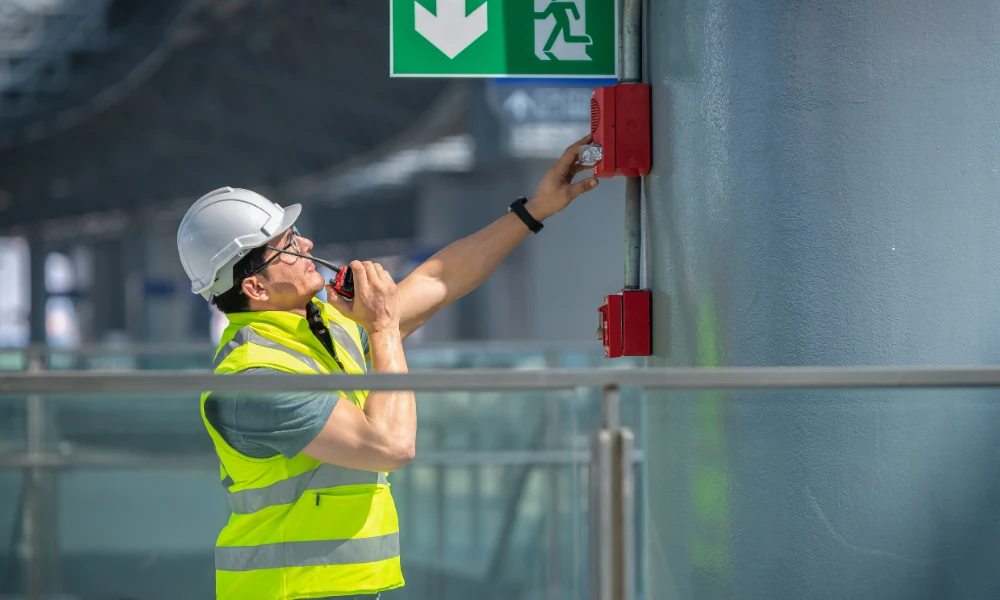
Fire watch services provide an additional layer of protection when there is an increased risk of fire or when normal fire safety systems are temporarily unavailable. A trained person monitors the area, looks for potential hazards, and responds quickly if signs of fire appear. Fire watch may be required in workplaces, construction sites, commercial buildings, and other locations where fire risks need extra attention. Understanding the common situations that require fire watch services can help businesses and workers take appropriate safety measures.
In many cases, hiring professional providers like The Fast Fire Watch Company ensures that trained guards are rapidly deployed to monitor high-risk environments and maintain strict compliance with local fire codes. Having dedicated personnel on-site bridges the critical gap between identifying potential hazards and initiating an immediate response before a minor threat escalates. This proactive oversight is essential across various operational settings to keep property, equipment, and personnel safe.
During Hot Work
Hot work is one of the most common situations that requires fire watch. Activities such as welding, cutting, soldering, and grinding can produce heat, sparks, or flames that may ignite nearby materials.
A fire watch helps monitor the surrounding area during these activities and looks for signs of fire or smouldering materials.
When Fire Protection Systems Are Unavailable
Fire watch may also be necessary when systems such as fire alarms, sprinklers, or other protective equipment are temporarily out of service.
During this period, a trained person can monitor the area and help identify a fire before it spreads.
During Construction Work
Construction sites often contain combustible materials, temporary electrical systems, and equipment that can increase fire risks. Work activities may also create sparks or heat.
Fire watch can provide additional monitoring in areas where normal fire protection measures may not be fully available.
During Maintenance and Repairs
Maintenance work can sometimes create conditions that increase the risk of fire. Electrical repairs, equipment servicing, and other activities may involve heat, sparks, or temporary changes to safety systems.
A fire watch can monitor these areas while the work is being completed.
After Hot Work Is Completed
Fire risks may continue even after welding, cutting, or other hot work has stopped. Sparks or heated materials can remain unnoticed and potentially cause a fire later.
For this reason, the area may need to be monitored for a suitable period after the work is completed.
When Flammable Materials Are Present
Workplaces that contain flammable liquids, gases, chemicals, or other combustible materials may require additional fire monitoring.
A fire watch can help identify unsafe conditions and ensure potential ignition sources are addressed promptly.
During Temporary Safety System Changes
Building renovations or repairs may temporarily affect fire doors, alarms, sprinklers, or other safety features. When these protections are limited, additional monitoring may be required.
Fire watch helps provide an extra level of awareness until normal protection is restored.
Conclusion
Fire watch services may be needed in several situations where fire risks are higher than normal. Hot work, unavailable fire protection systems, construction, maintenance, post-work monitoring, flammable materials, and temporary changes to safety systems are common examples. A trained fire watch can help identify hazards early and support a quick response when necessary. By using fire watch services when appropriate, businesses can strengthen fire safety measures and help protect workers, property, and surrounding areas.
